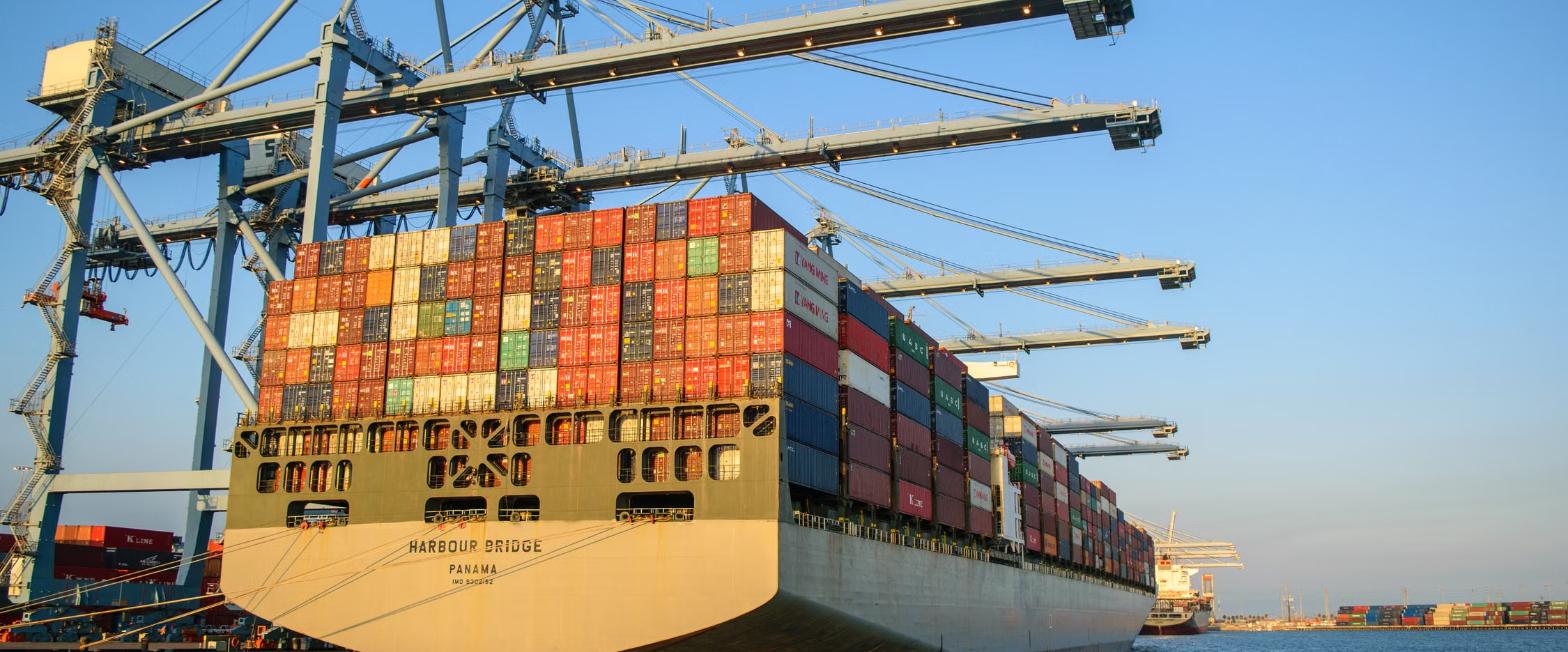
A Dubai trading company closing its first deal with a supplier in Maputo discovered that the purchase order and the invoice needed to match perfectly in two languages before either bank would release payment.
Portuguese Speaking Markets Are Quietly Growing Around The Gulf
Angola Mozambique and Brazil have all become active trading partners for UAE based importers over the past several years particularly in construction materials agriculture and raw commodities. Many of these deals move fast and the paperwork often lags behind the verbal agreement already struck at a trade fair.
Companies entering this corridor without a clear documentation process usually discover the gap only once a bank or customs office rejects a submission for a mismatch between the invoice and the underlying contract.
Why Invoice Formatting Trips Up Cross Border Deals
An invoice that looks complete to the seller can still miss a field a foreign bank requires before it will process payment. Missing tax identifiers incorrect currency codes and inconsistent line item descriptions are the most common reasons a cross border invoice gets bounced back for correction.
Firms that build every invoice through a reliable pdf invoice generator keep formatting consistent across every shipment regardless of who on the team prepares the document. That consistency matters more once a company is issuing dozens of invoices a month across several currencies and partners.
Contracts Need The Same Attention As The Invoice
An invoice only settles a single transaction while a contract governs the relationship for months or years afterward. A company that gets the invoice right but leaves the underlying supply contract loosely translated eventually pays for that shortcut when a dispute forces both sides back to the original text.
Businesses working with Brazilian or Angolan partners increasingly rely on dedicated portuguese translation services to keep contracts enforceable in both jurisdictions rather than relying on whichever staff member happens to speak some Portuguese.
What Customs Offices Actually Check
Free zone and mainland customs officers in the UAE compare the declared value on an invoice against the description and quantity of goods listed in the accompanying paperwork. Any inconsistency between these documents can hold a shipment at the port for days while the paperwork gets sorted out.
Traders who prepare invoices and translated supporting documents together as a single package rather than as separate afterthoughts consistently clear customs faster than those who assemble the paperwork only once a shipment is already in transit.
Building A Repeatable Process Instead Of Reinventing It Each Time
A trading company handling its first Portuguese speaking partner often treats every document as a one off task handled under deadline pressure. That approach becomes unsustainable once the same company is managing a dozen active partners across several language corridors at once.
Firms that document their own invoicing and translation workflow once can reuse it for every new partner afterward instead of rebuilding the process from scratch each time a new deal comes in. This single investment tends to pay for itself within the first few shipments it protects from delay.
Where Small Companies Underestimate The Risk
A smaller trading company often assumes formal documentation only matters once deal sizes reach a certain threshold. Banks and customs authorities apply the same scrutiny regardless of shipment size and a small company can lose just as much time to a rejected invoice as a large one.
Owners who treat documentation as a core operating cost rather than an occasional inconvenience tend to scale into new markets with far fewer surprises along the way.
Training Staff To Catch Errors Before Submission
Staff preparing invoices for the first time often copy an old template without checking whether every field still matches the current deal terms. A short internal checklist covering currency codes tax numbers and matching quantities catches most errors before a document ever reaches a bank or customs desk.
Teams that review a sample invoice together during onboarding tend to make far fewer costly mistakes once they start preparing documents independently for real shipments.
Choosing Payment Terms That Match The Documentation Reality
A trader who offers open account terms to a brand new partner before the documentation process has been tested at least once is taking on risk that has nothing to do with the partner's creditworthiness. A rejected invoice or a stalled bank transfer can strand goods at a port regardless of how reliable the buyer actually is.
Traders who start new partnerships on letter of credit terms until the paperwork flow has proven itself protect their cash position while they iron out the documentation kinks that almost always appear during the first few shipments.
What A Rejected Invoice Actually Costs In Practice
A single rejected invoice rarely causes lasting damage on its own but the delay it introduces compounds quickly when a buyer is depending on that shipment for their own downstream production schedule. Demurrage charges at the port and storage fees can exceed the profit margin on the shipment within a matter of days.
Companies that have absorbed this cost once tend to build a documentation review step into every future order regardless of how well they already know the partner on the other end. The lesson is usually cheap to learn the second time and expensive the first.
Keeping Records Consistent Across A Growing Partner Base
A company working with five partners can keep track of documentation quirks informally in someone's head. That approach collapses once the partner count reaches twenty and different customs offices and banks start applying subtly different requirements to each corridor.
Firms that keep a simple shared record of which requirements apply to which partner and language corridor avoid relearning the same lesson every time an employee who used to handle a particular account moves to a different role.
Planning For Growth Across Multiple Language Corridors
A company that solves its Portuguese language documentation gap well before volume grows avoids the scramble that hits competitors who wait until a large order is already stuck at customs. The same discipline extends naturally to Russian Arabic and any other corridor the business expands into next.
UAE trade keeps expanding into markets that speak languages far beyond Arabic and English and the companies that plan their invoicing and translation processes early are the ones that scale into those markets without losing a single shipment to a paperwork delay.